
No, this won’t be an homage to an album by The Rolling Stones. If that was the case, I might have chosen “Let It Bleed”.
Last fall we spent about ten days in Spain, riding the train from Madrid to Seville, Cordoba, Segovia, and Toledo, returning to Madrid before flying to Copenhagen. While in Madrid we returned to the Prado for another infusion of art and history.
“In fourteen hundred ninety two, Columbus sailed the ocean blue.” That’s how we “learned” history when we were kids: memorize names, dates and places. While mnemonic devices were helpful when preparing for a test, I failed to learn anything close to real history. Yeah, I remember that it was Ferdinand and Isabella who financed that nice Italian boy’s adventure in 1492. But it took me nearly fifty years to fit together some other important pieces of the puzzle of history, such as the Reconquista and the Inquisition, and what effect the marriage of Columbus’s benefactors would have on other events. For those of us who mostly learned about European history as a footnote in American history (did anything else really matter), the Habsburgs and Bourbons failed to capture our attention.
Francisco Goya had a different experience. He lived through times that few of us have imagined. His art reflects three periods in his life which, coincidentally, remind of King Solomon: first, youth, love and beauty (Song of Solomon); second, development and skill (Proverbs); then, old age and clear vision – and futility (Ecclesiastes).
By the time your Prado tour guide has finished explaining the subjects and methods of Goya’s first two periods, you might be thinking “I think I might just be catching on!” Congratulations, you’re about to have your mind blown.
Goya’s Black Paintings reflect a reality devoid of pretense or artificiality. Poverty. Disease. Despair. No one is wasting energy trying to look “pretty”. No makeup, hair care products, or dental implants. This is Reality, Greg.
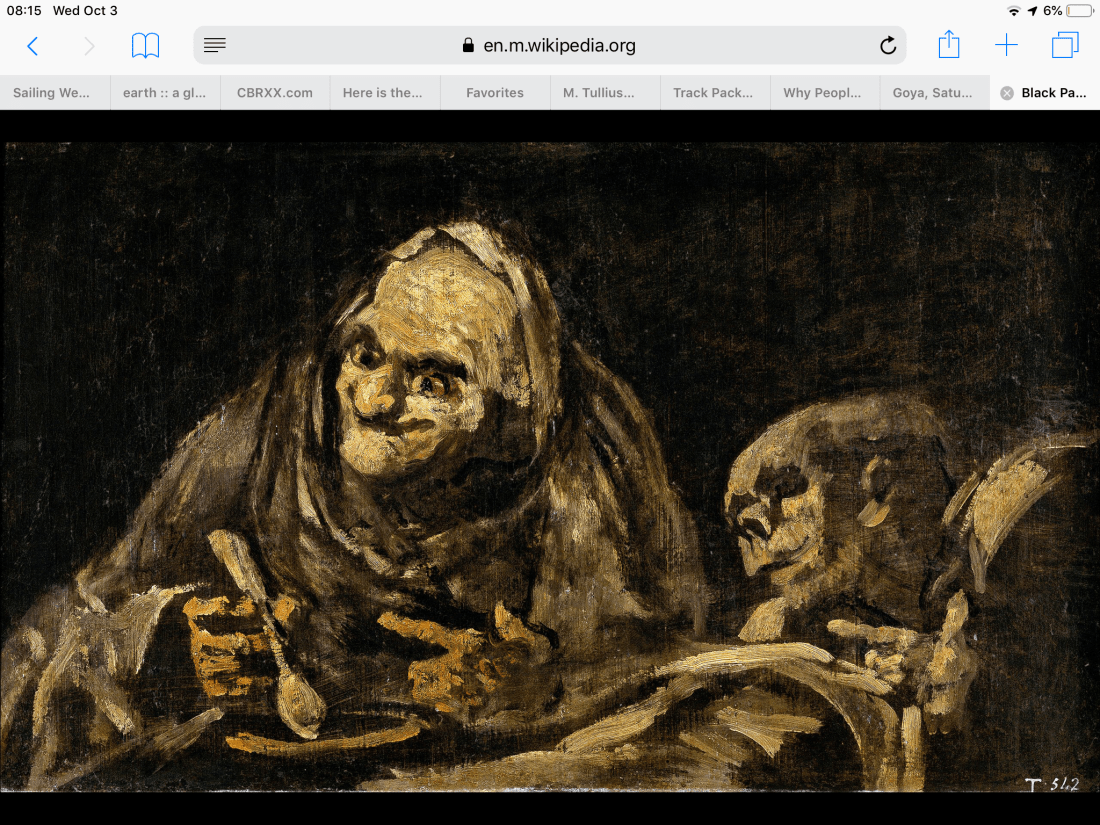
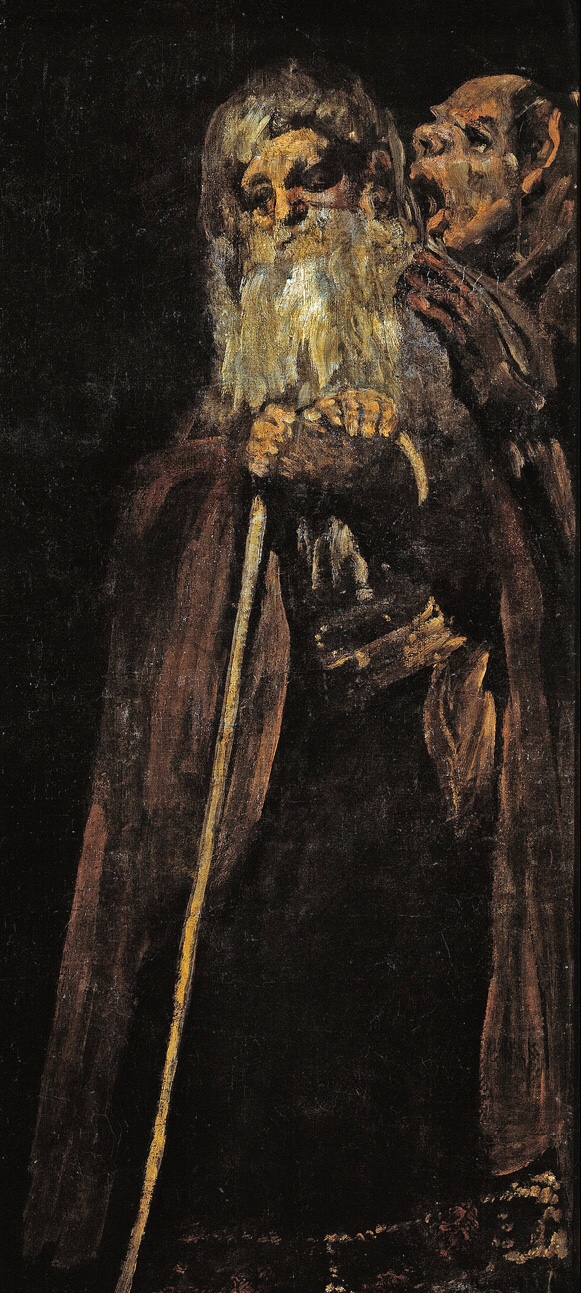
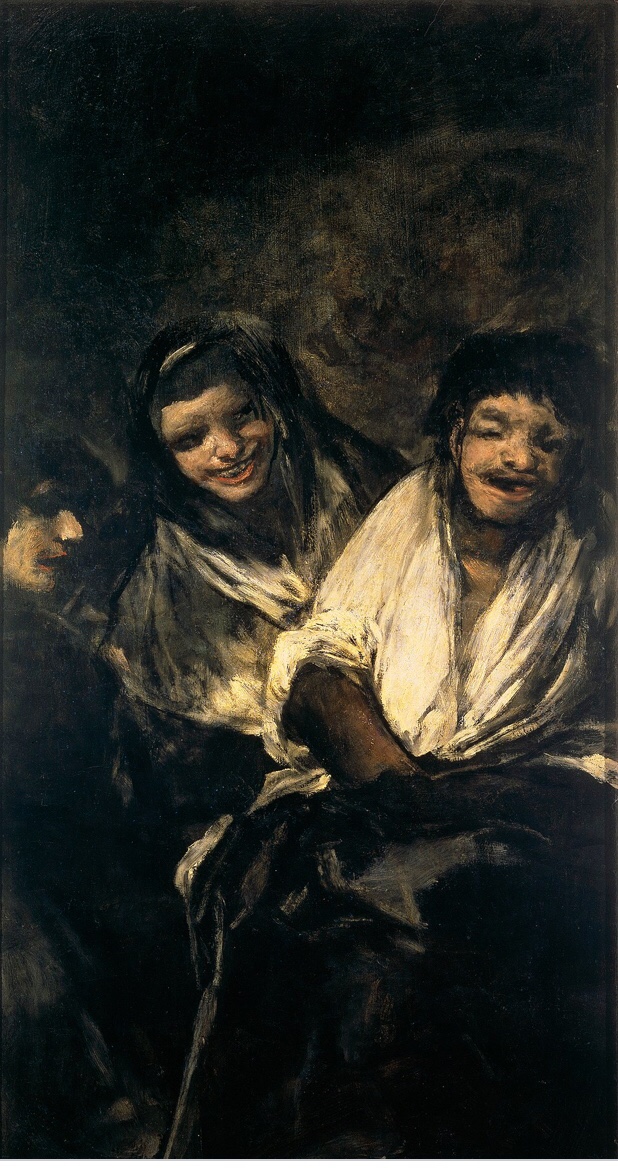
If the Soup Eaters, Old Men, and Laughing Ladies make you feel uneasy – prepare yourself for Goya’s depiction of Saturn Devouring His Son.
The story behind the painting is a familiar theme: Saturn (who, as a younger man, had conspired with his mother against his father) believed that his children would overthrow him and take his kingdom. So he consumed them when they were born.
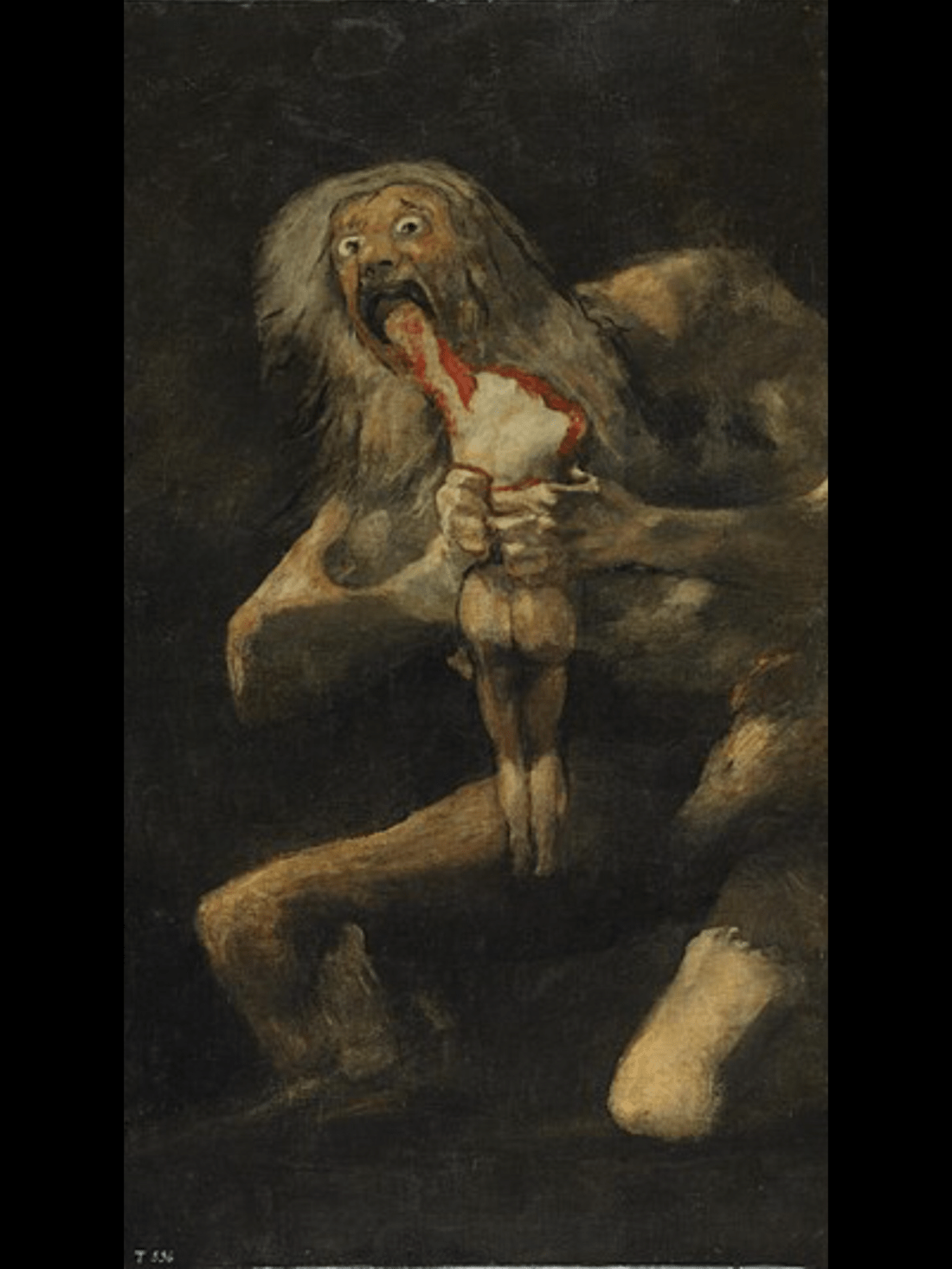
(BTW, it didn’t work. You can Google it.)
Perhaps it was due to having had to apologize to several people in foreign lands who questioned the election of a certain person? Maybe it was the context of Goya’s life and history as explained by our guide – and the brief audio from this (please listen to it):
My tenuous grasp of the theme is something like “destroying what you should love in order to feed your need for power – which is transitory at best”. We’d seen these paintings on a previous visit but they took on deeper significance this time and left me wanting to DO something tangible in response.
———
We left the Prado and talked about Goya’s art and life as we tried to absorb more from each place we visited. It might have been in Toledo when I decided to attempt contacting an artist we’d met in Copenhagen several years before. “Pali” has true talent in several disciplines from music to tattooing. It turned out that he was available during the short time window we’d be in his neighborhood. And he liked my idea of ink based upon Goya’s “Saturn”. We made arrangements to meet.
A few days later we flew to Copenhagen. The next morning after breakfast I navigated to Pali’s (a long walk, a metro ride, another long walk) while Barb did some sightseeing and checked out of the hotel, taking a taxi to the port… but that’s another story.
Pali and I chatted a bit and he explained that, though he’d done a couple sketches, he’d like to freehand the piece on my arm. “You’re the artist. Do whatever you wish.”
About 3 1/2 hours later I jumped in a taxi. Thanks, Pali – and thanks, Goya!
——–
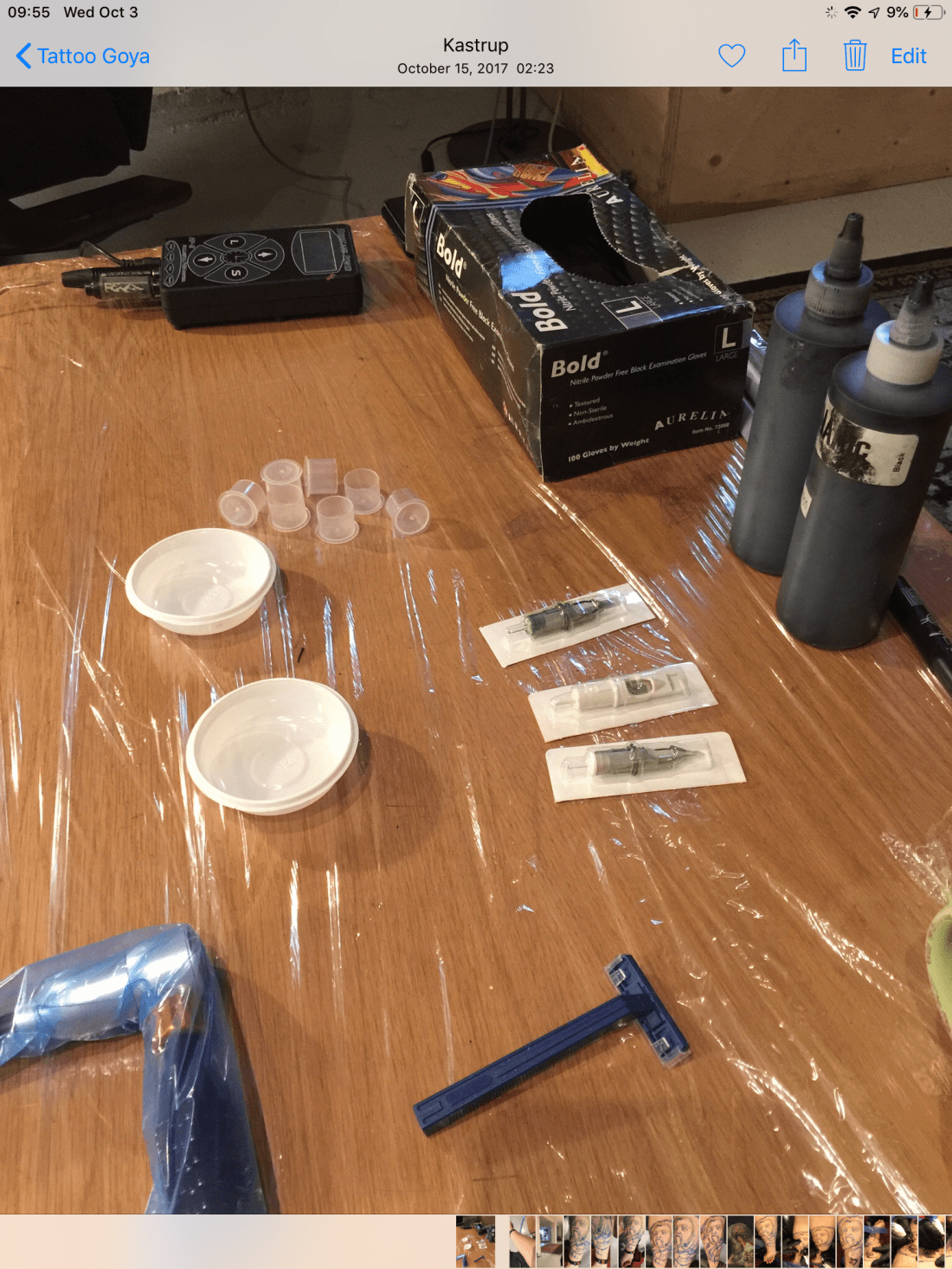
The sterile setup and virgin forearm:
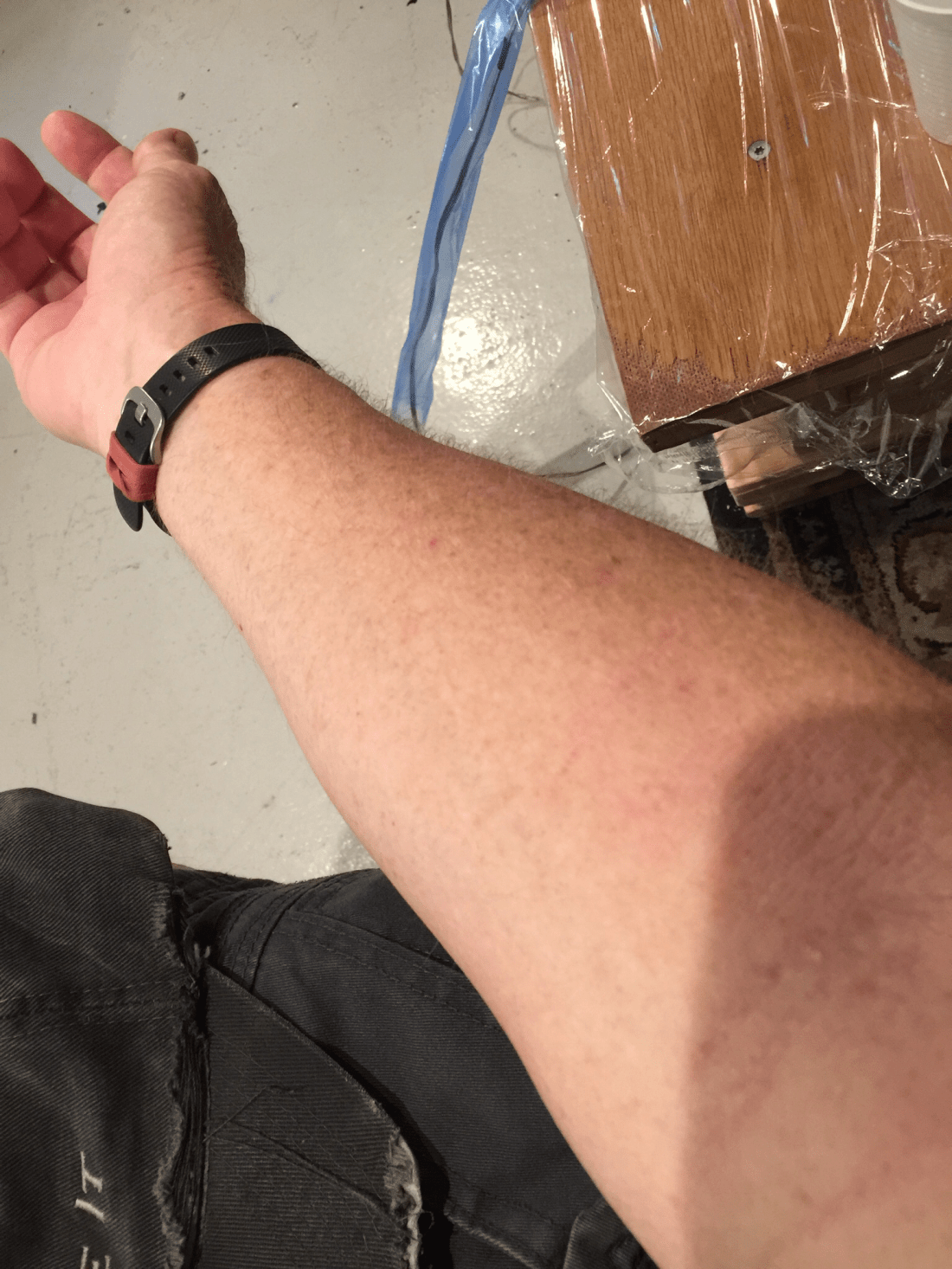
The development of my artistic ability seems to have reached it peak at the same time I learned not to eat the crayons, so I tend to regard artists as wizards: I’ll never figure out HOW they do it, but my eyes say they do it so I believe. Just before he shaved and cleansed my arm, Pali picked up a couple felt markers and, using an internet photo of “Saturn” as a reference, drew a quick sketch on my arm:
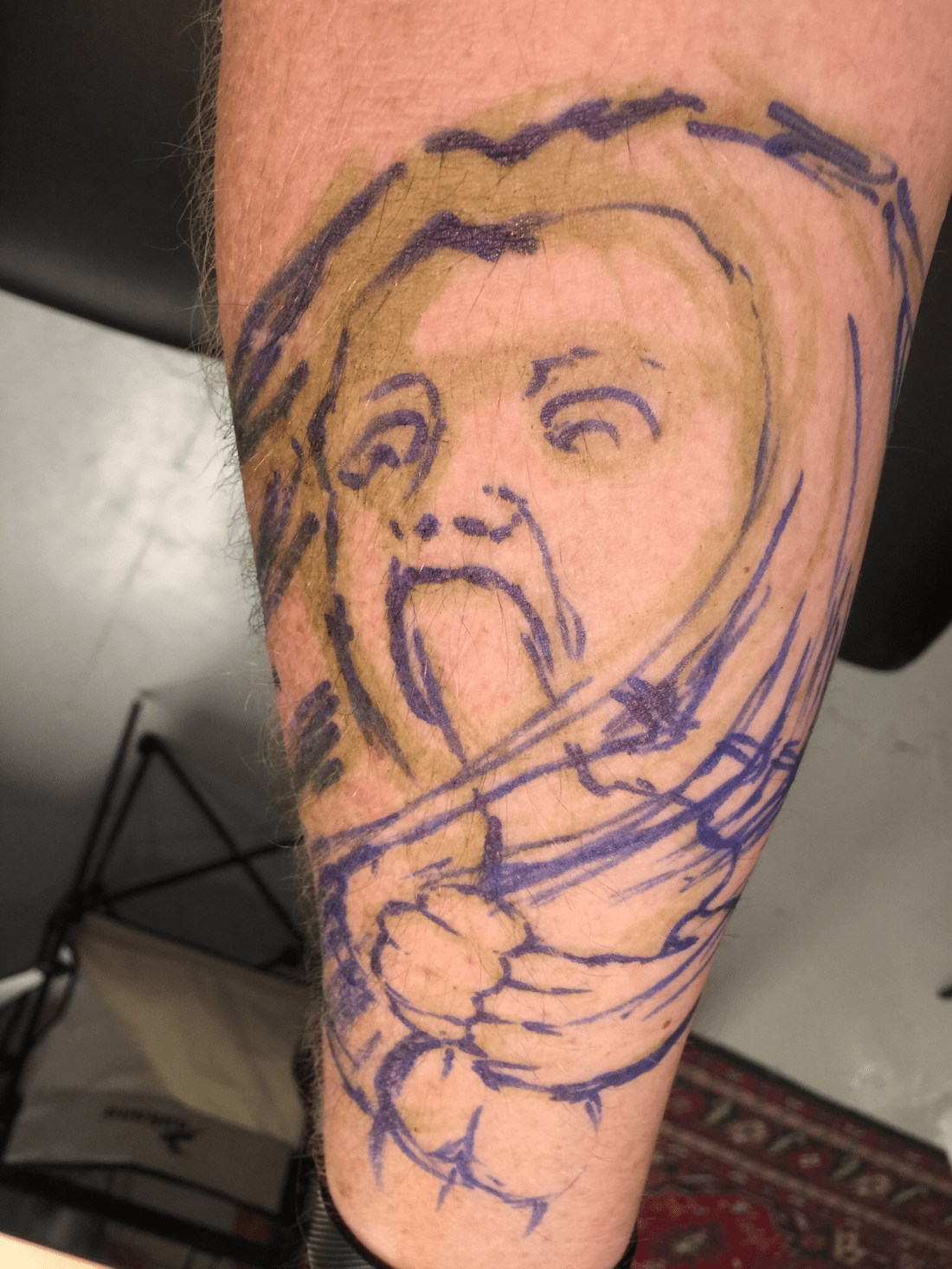
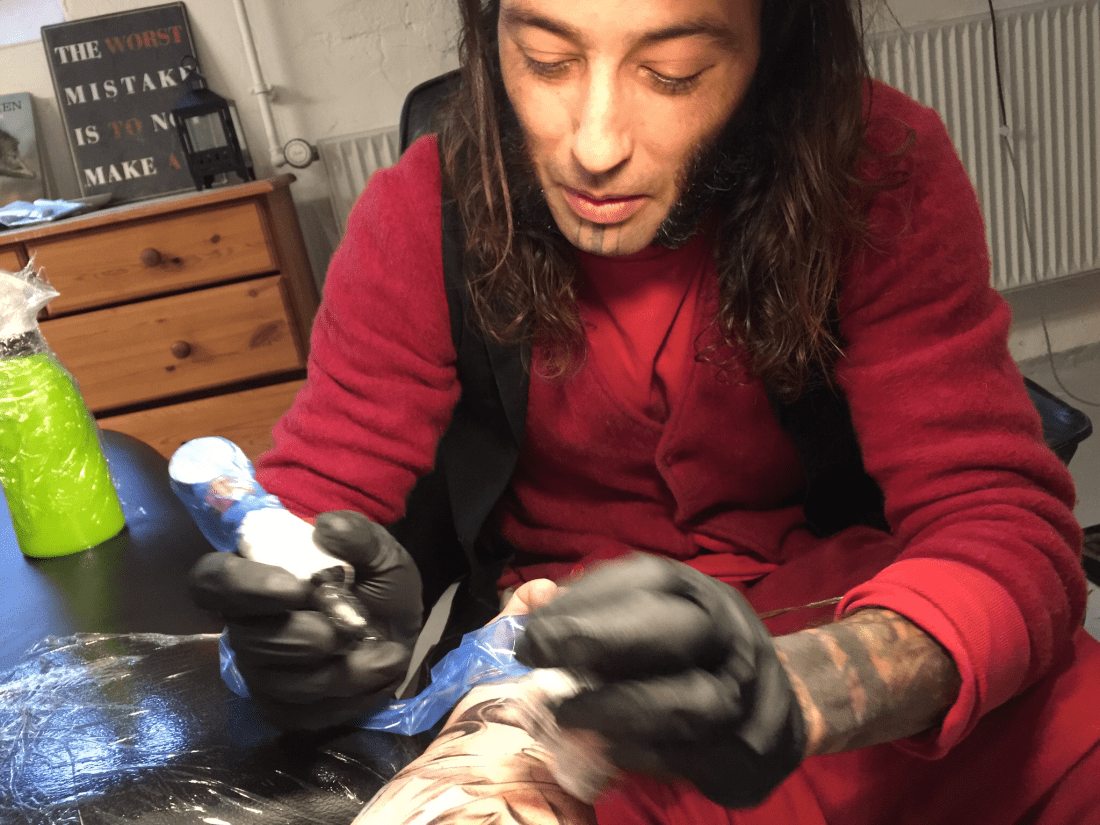
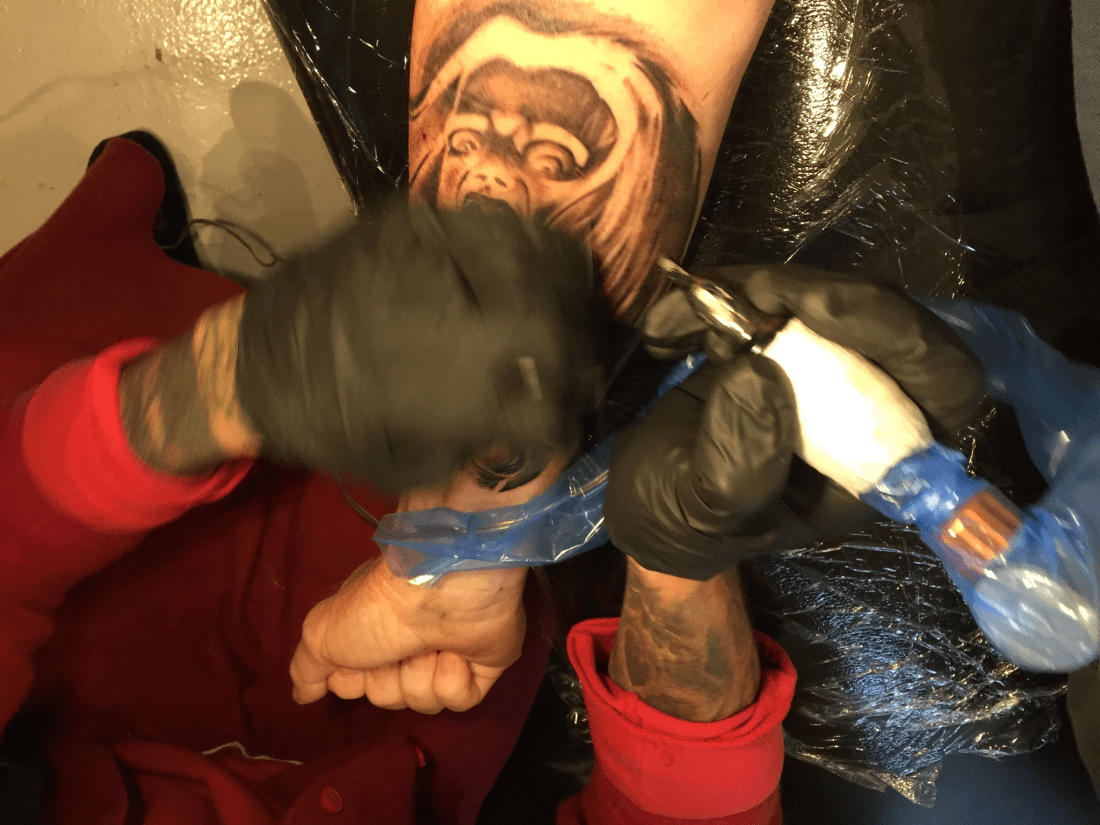
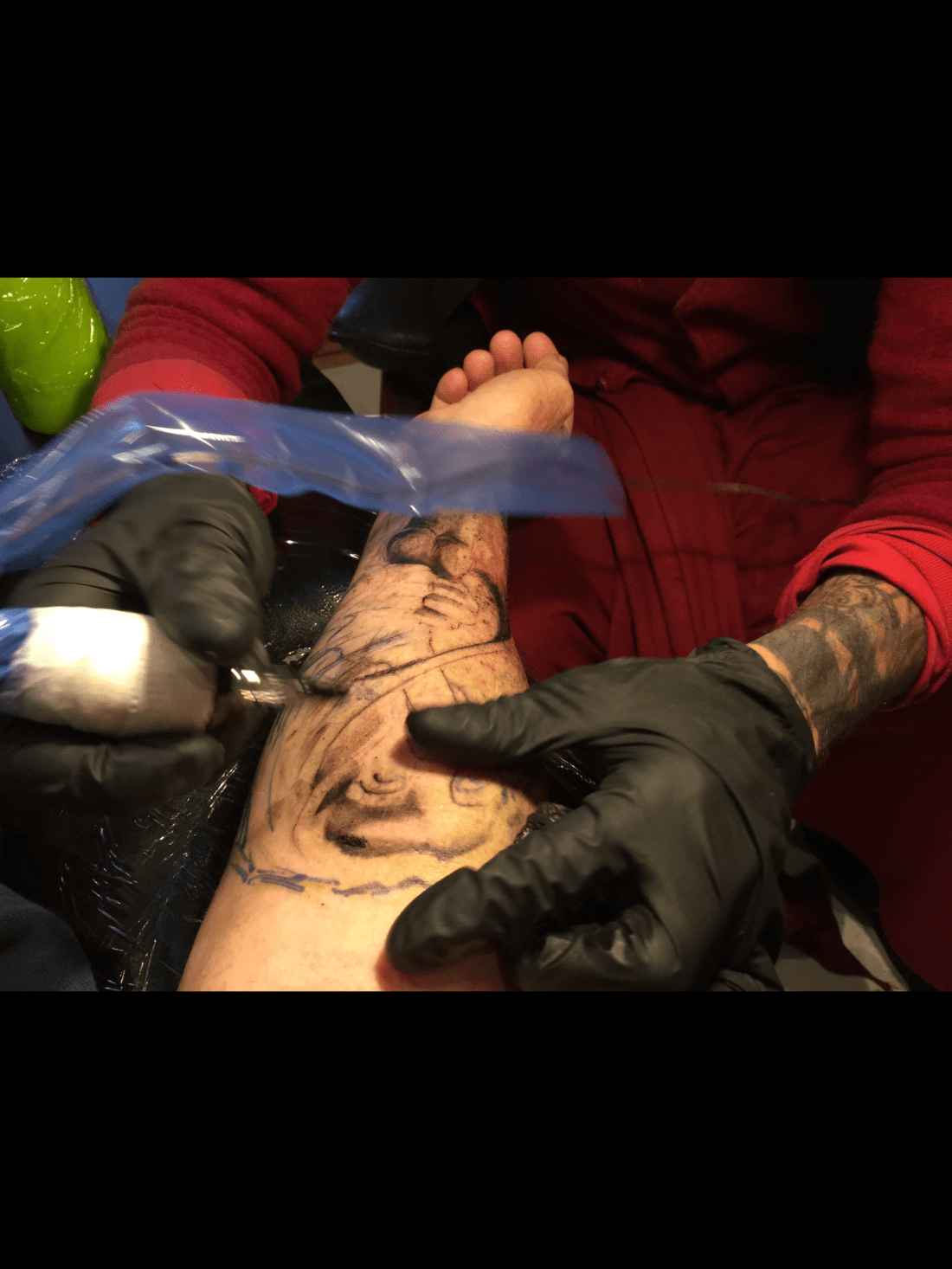
Using sets containing 3, 9, and 27 needles, Pali went to work. After about an hour and forty five minutes he took a short break and then began “polishing” (blending/shading) for another hour and a quarter.
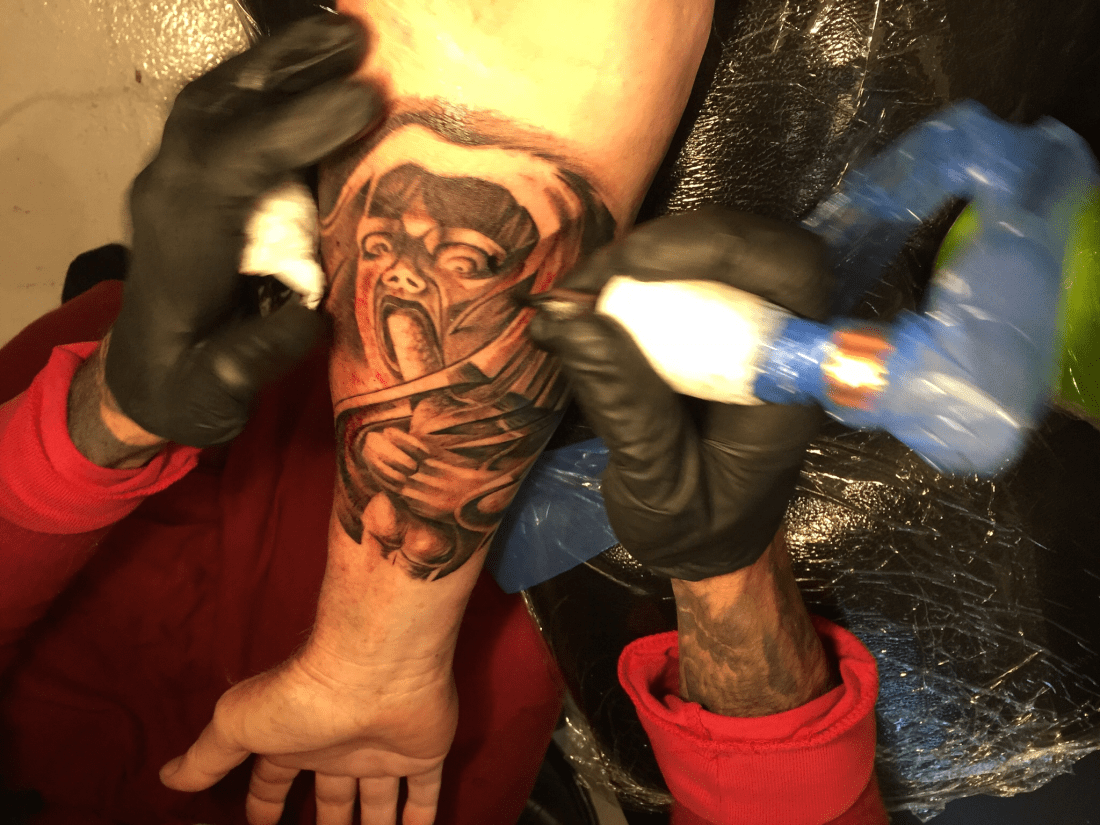
Pali at work:
The work in progress:
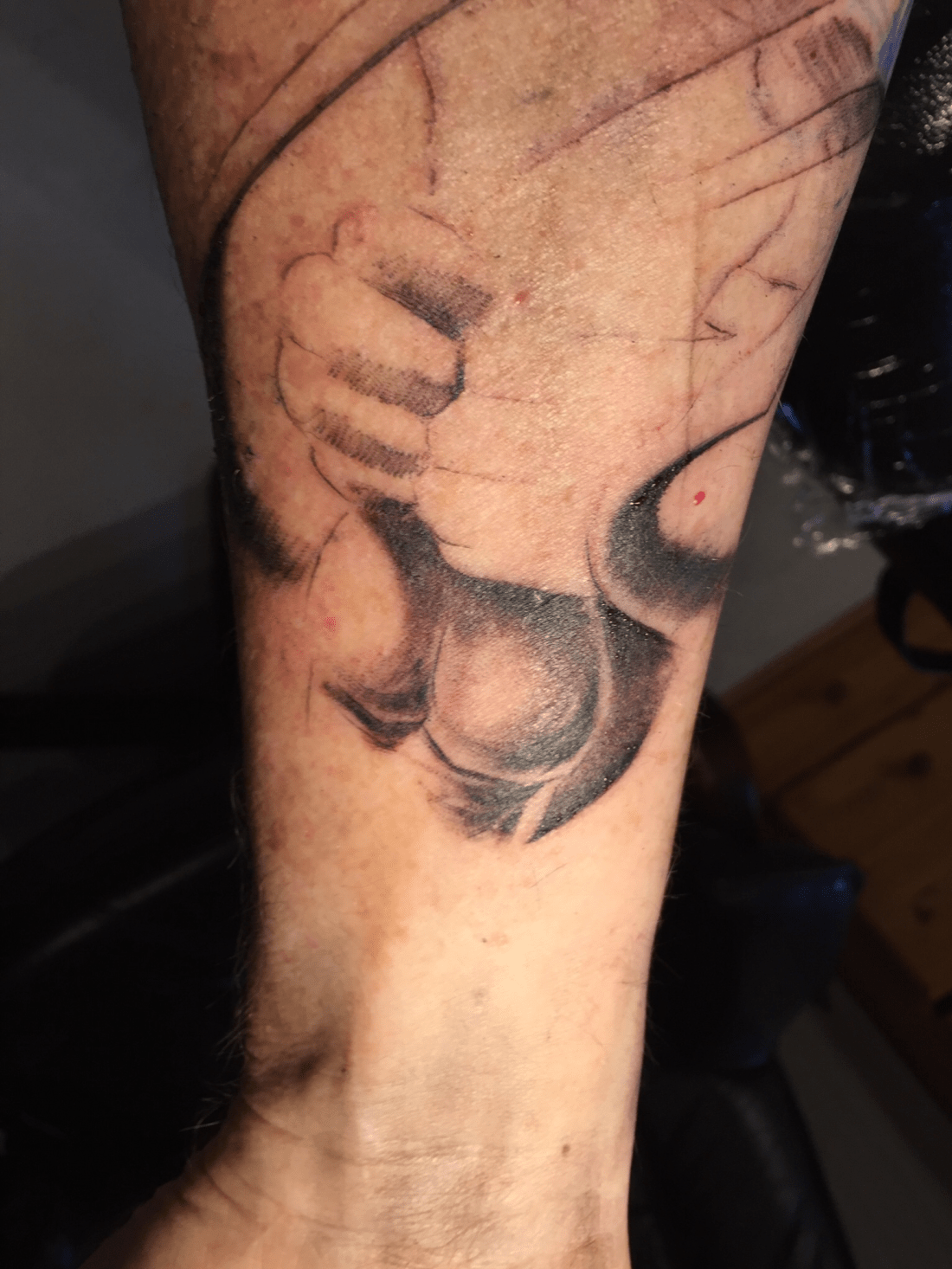
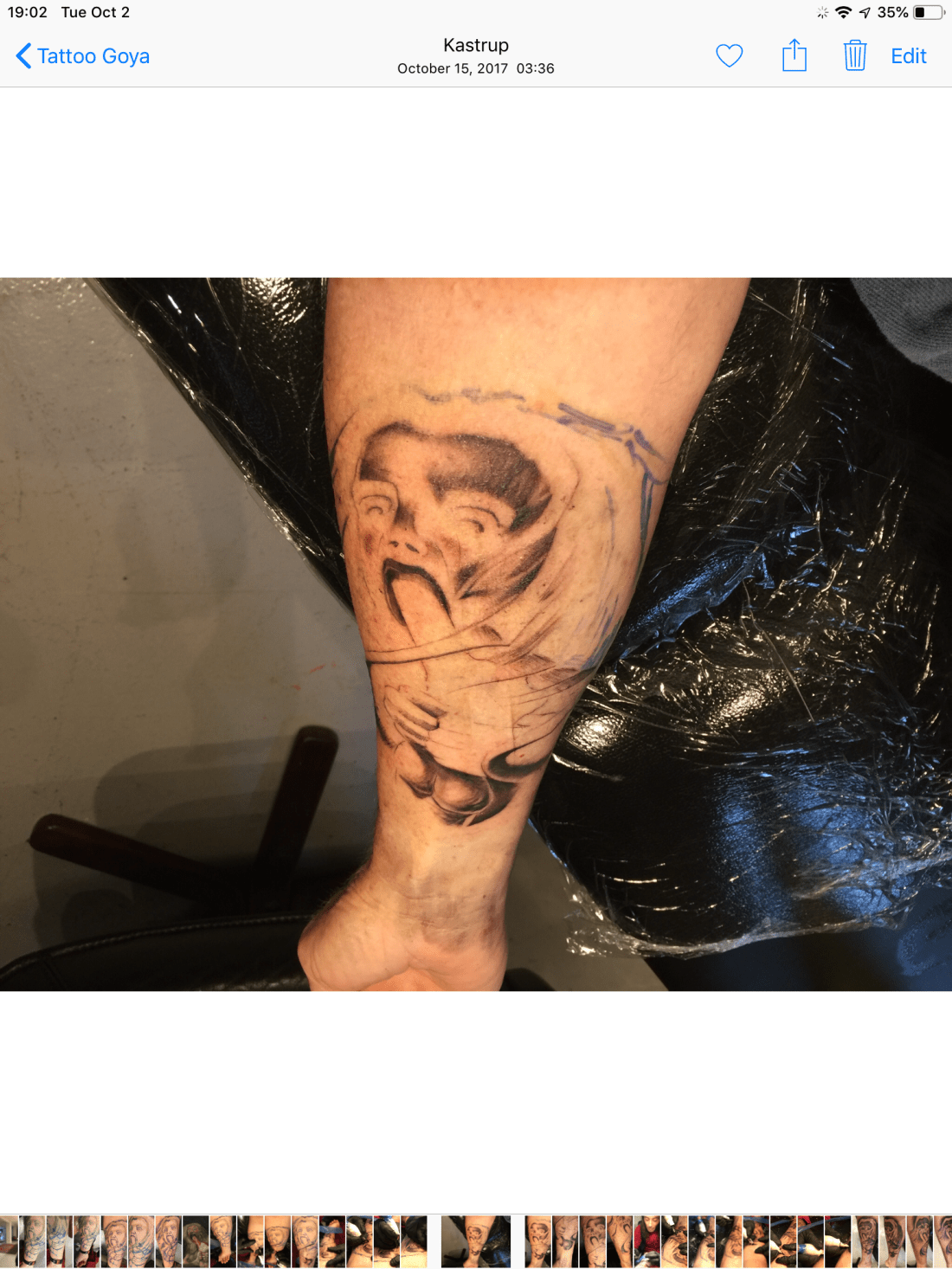
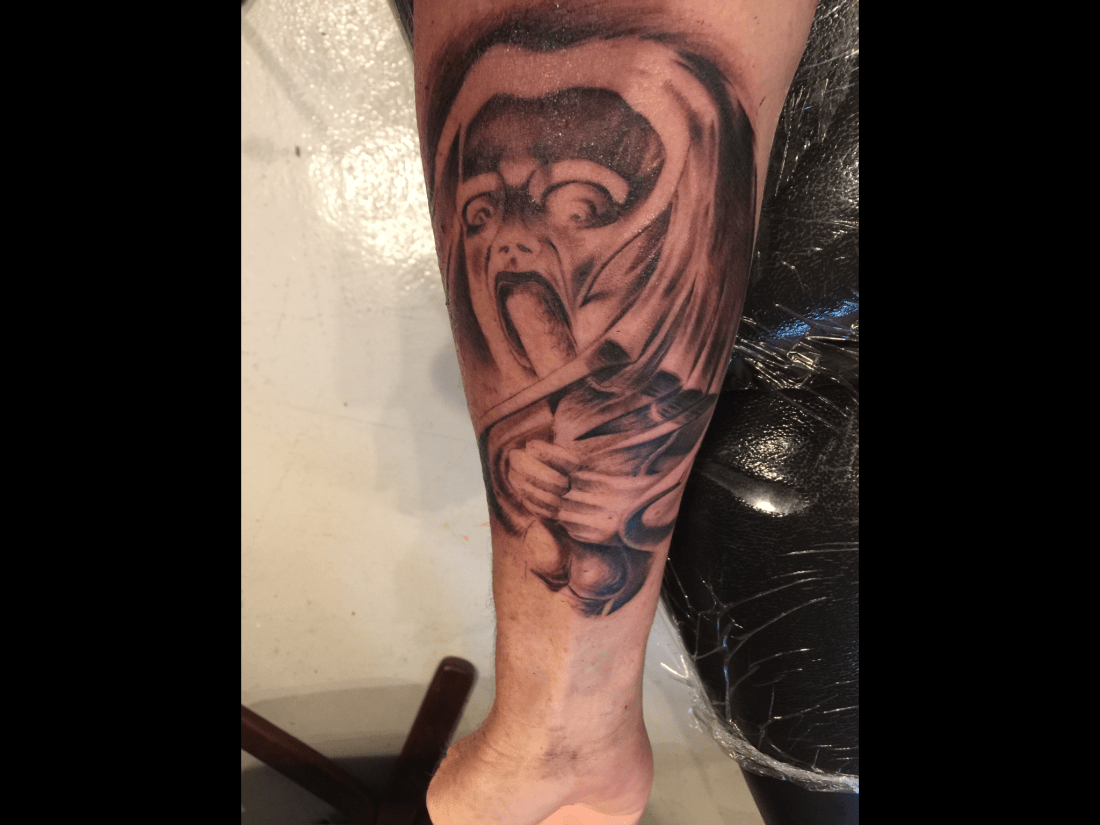
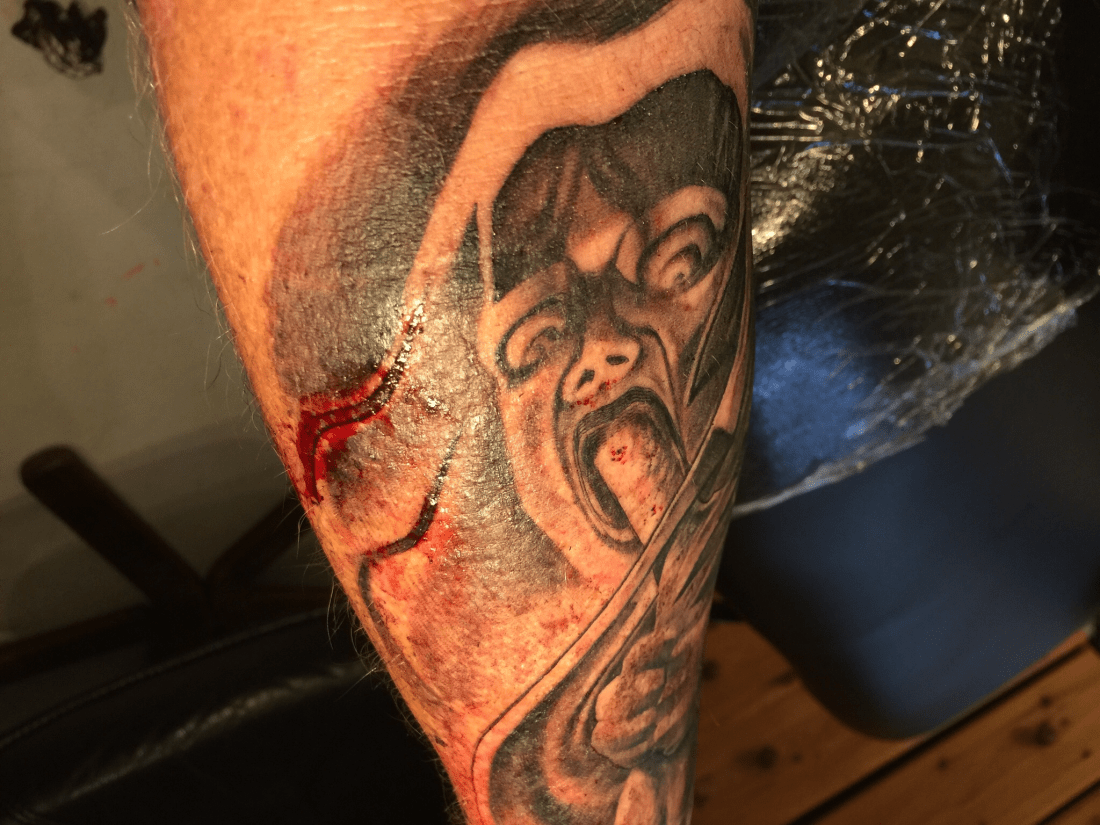
Practicing appropriate after care aboard the ship, the masterpiece was healed by the time we got home.
 B & B
B & B 